 OpenWrap SDK
Mobile Ad Revenue with a Self‑Serve Platform
How I created a zero-to-one, mobile-first platform that tripled what our support team could cover.

Web was the company. Mobile was the bet.
PubMatic helps app and website owners make money from ads. As third-party cookies went away browser by browser, audiences were already watching and playing in apps.
Mobile was a radio button.
The mobile tool was the web tool with mobile screens bolted on. Same one-page form. Same vocabulary built for websites.
Support did the work for developers.
Every launch, price change, and network swap became a ticket, done by a rep logged in as the developer. Mobile could only grow as fast as we could hire support.

 NWT
1 : 6one rep, six publishers
The pitch nobody asked for.
I helped the team pitch some vision work and create momentum for users that were quietly suffering.
From buried to its own product.
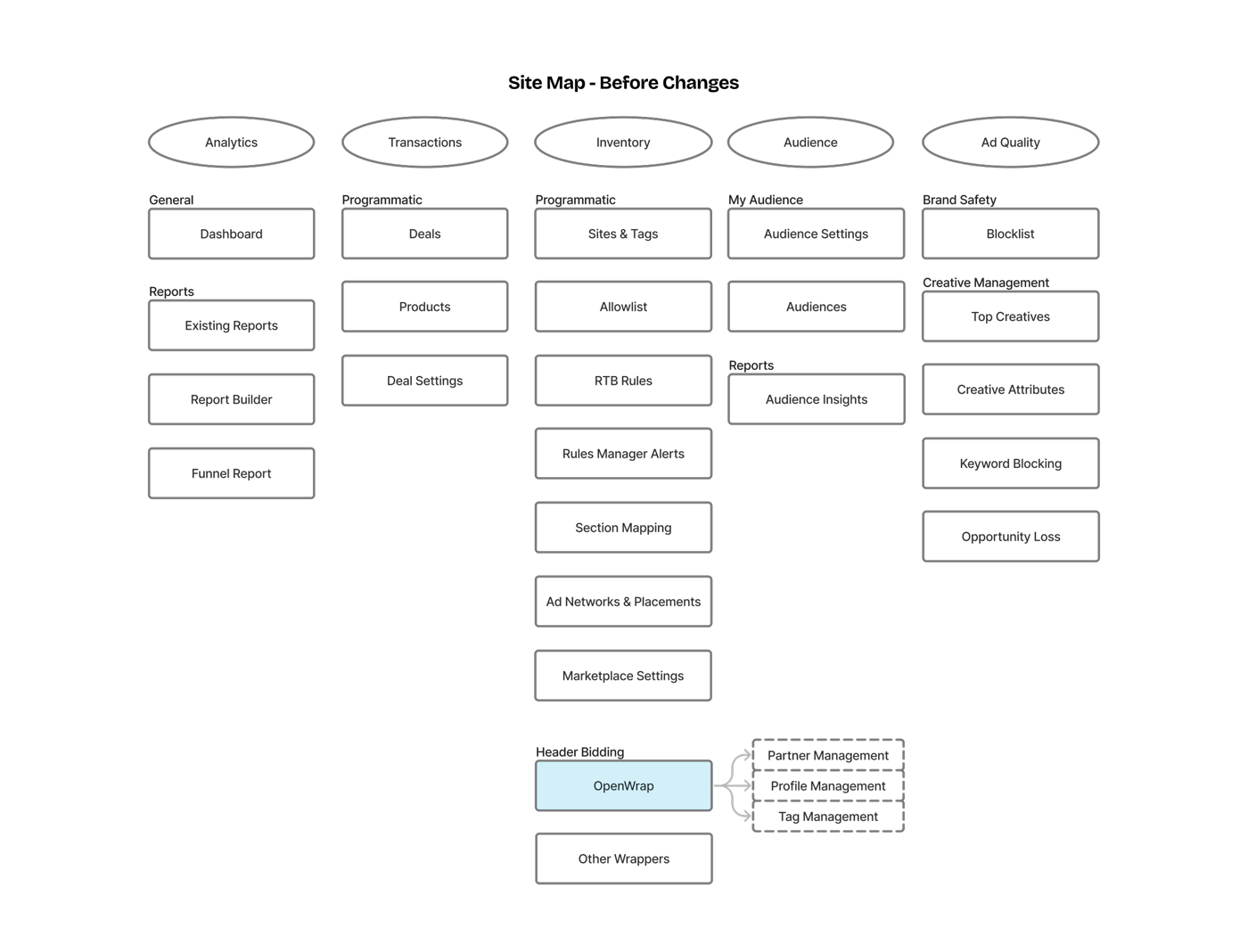
OpenWrap sat four levels deep in a web suite. Starting from a blank slate, we tested groupings and names until they made sense to developers.
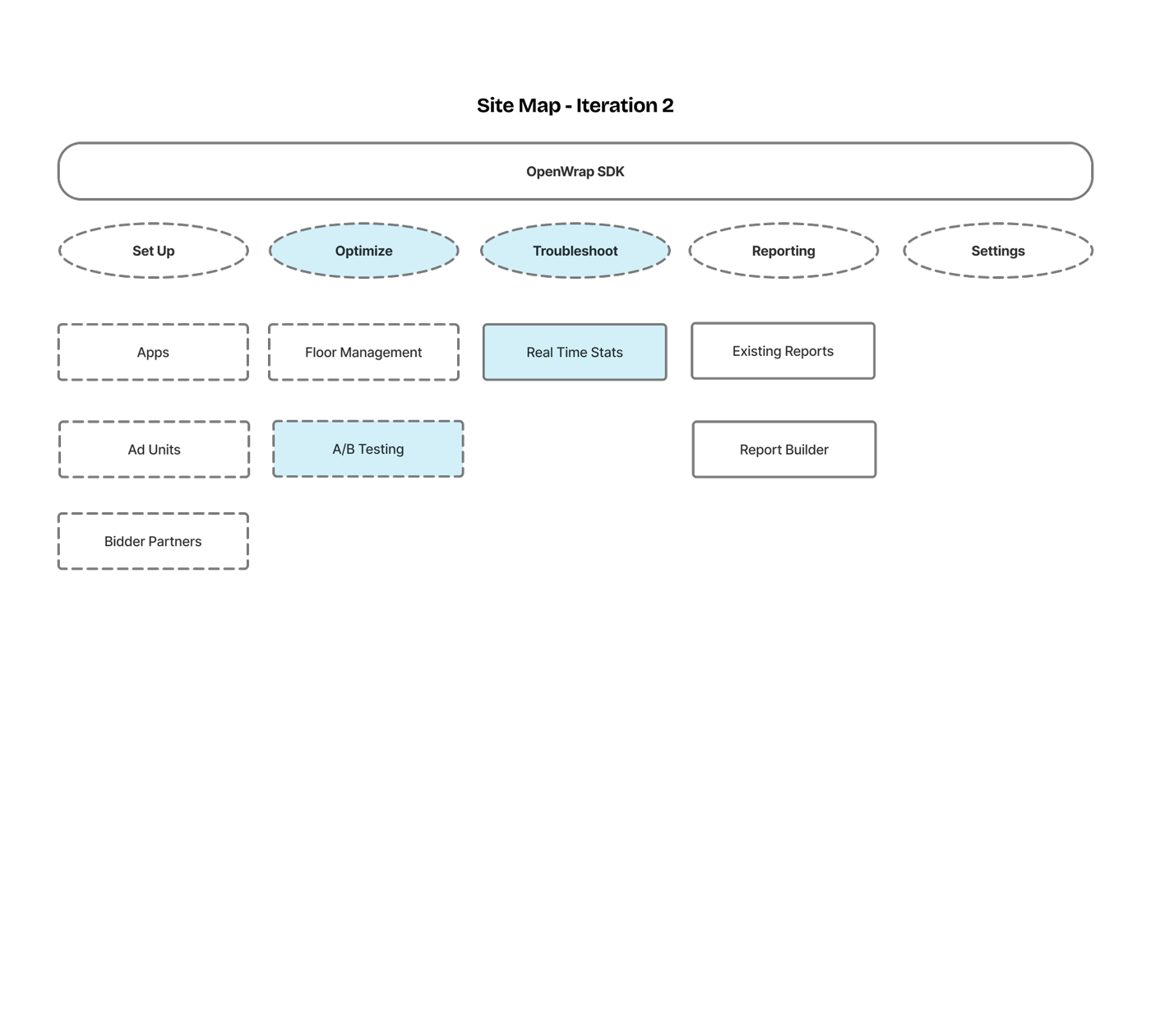
Their words, not ours.
Reusing the suite's terms would have felt consistent. It tested badly.
+ dozens more terms across the platform, reworked and aligned the same way.
Built for the return visit.
Developers didn't set up once and leave. They came back weekly to swap ad networks, adjust pricing, and run experiments.
- Sign upContract and kick-off
- IntegrateAdd app, ad units, bidders, SDK
- TroubleshootReal-time stats
- OptimizeFloors and breakdowns, every week ↻
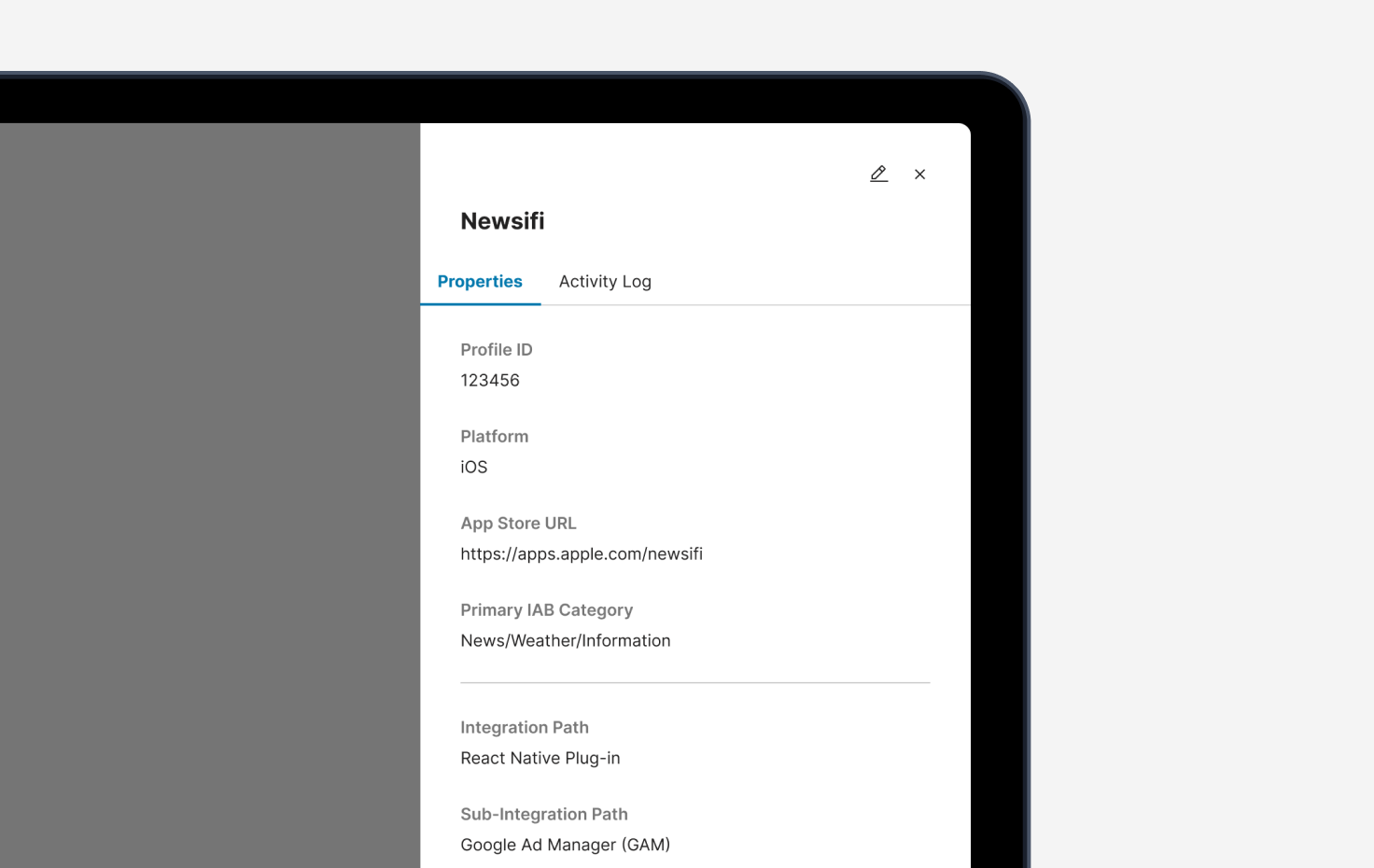
Everything starts with the app.
- AppsMost developers had 1 to 15 apps. Cards made them skimmable.
- Add appThe preview fills in as you go. No 40-field form.
- Ad unitsPick a format, not a form.
- BiddersMap partners and tune them weekly, without a ticket.
The new system's first real user.
A brand refresh was underway and a full platform redesign wasn't viable. I pitched the SDK as the long, low-stakes project the design system could build against. Both got an easier path to yes.
DecisionUse the project as the design system's proving ground.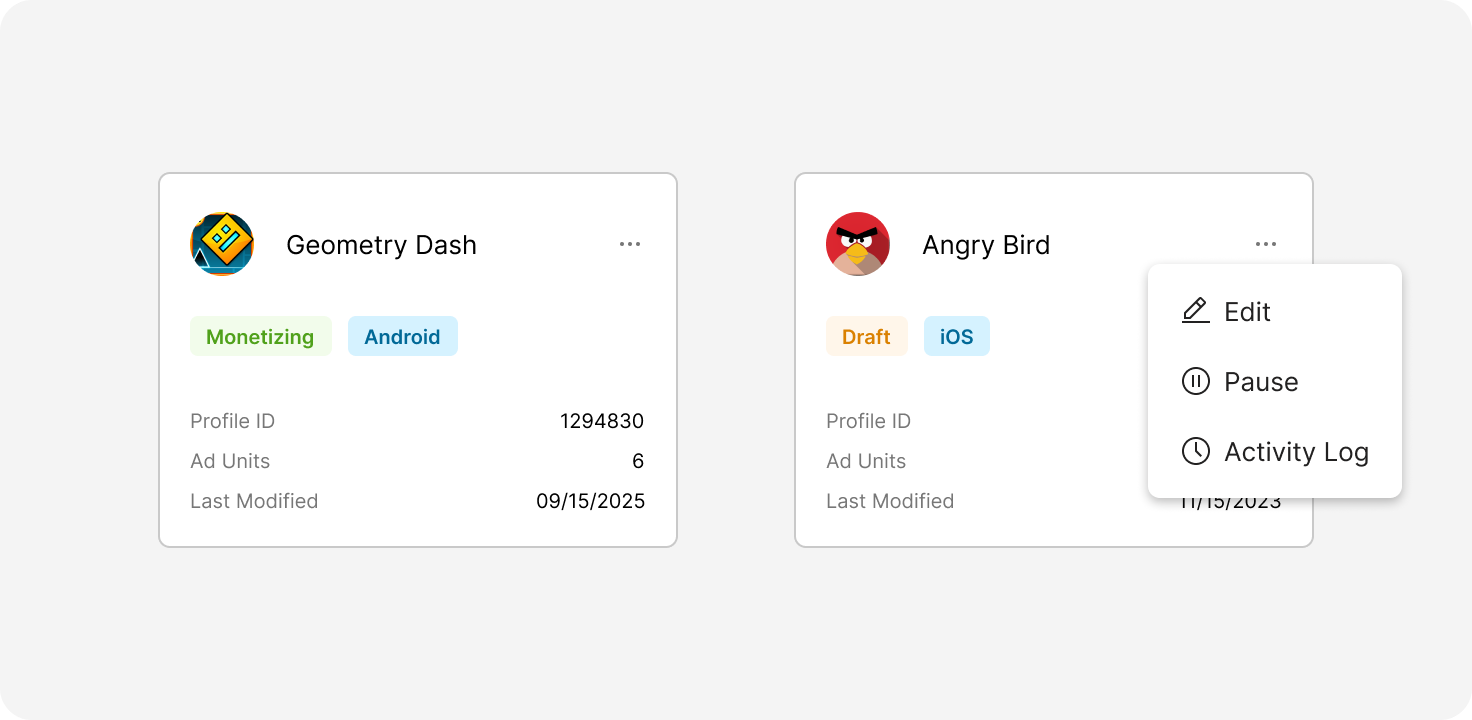
Developers did their own work.
Same changes, done in the SDK in minutes. The support queue went quiet.
Publishers each support rep could cover. Each block is one publisher.
The market leader said yes.
Our biggest competitor had declined to integrate with us. During the launch run-up, they agreed to a partnership. It wouldn't have launched successfully without this platform.
Read the announcement >50%<10%
In-app mediation market share at the time
“It's game over. I can finally use you to improve our revenue.”
Design the product and the measurement together.
The project moved the number we committed to. What I can't fully answer is what drove the lift: developers doing the work themselves, or making smarter calls about which ad networks to use. I didn't have per-developer attribution wired in. That's the instinct I've carried into every project since.
Shipped work at PubMatic. Screens rebuilt with sample data.